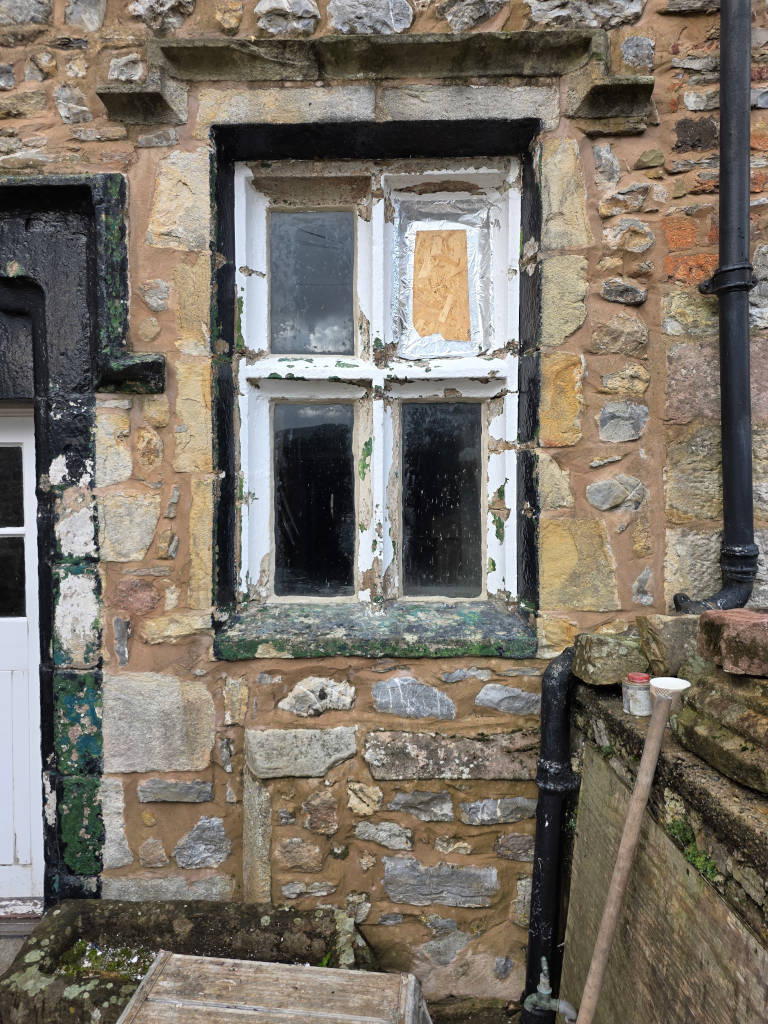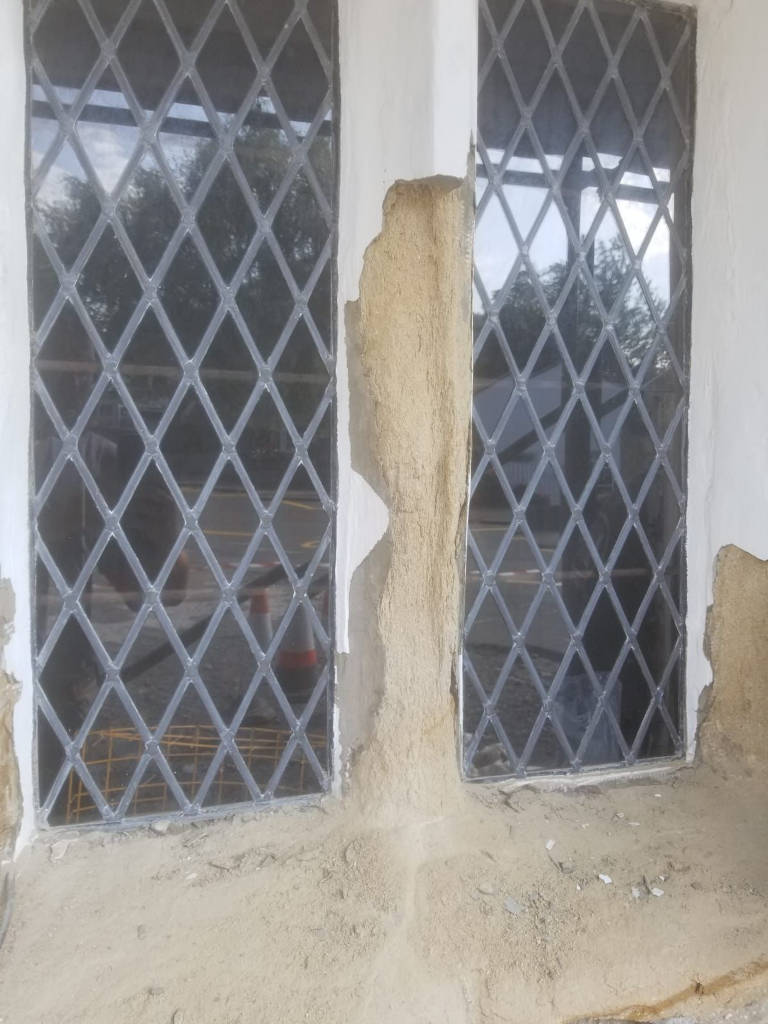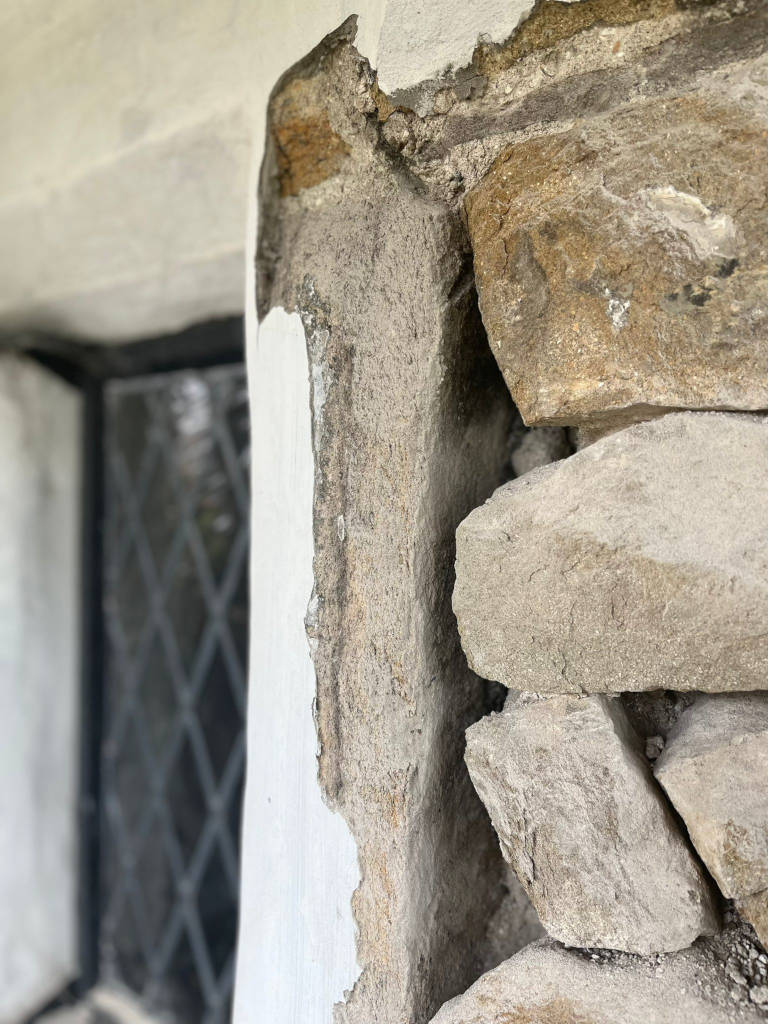
Historic buildings were constructed using porous materials such as brick and timber, with mortars and plasters made from lime. Using non-breathable materials – such as cement or modern paint – on these buildings can lead to a number of future problems. Typically their use will result in dampness and physical deterioration.
What is ‘Breathable’ Paint?
Breathable paint is a permeable material. This means that it allows the water vapour to transfer through. Allowing water to evaporate enables the building elements (walls, window frames, door frames, render) to naturally expel without trapping the moisture.
Be aware that some paint companies claim that their plastic, acrylic, and other modern paints are breathable yet we find they are not suitable for heritage works.
In paint, the SD rate (Steam Diffusion value) measures its breathability – indicating how easily water vapor can pass through. A lower SD value means higher breathability, allowing moisture to escape. This is crucial for older buildings in order to prevent damp and mould, with values below 0.05m often considered highly breathable.
The Dangers of Using ‘Modern Paint’
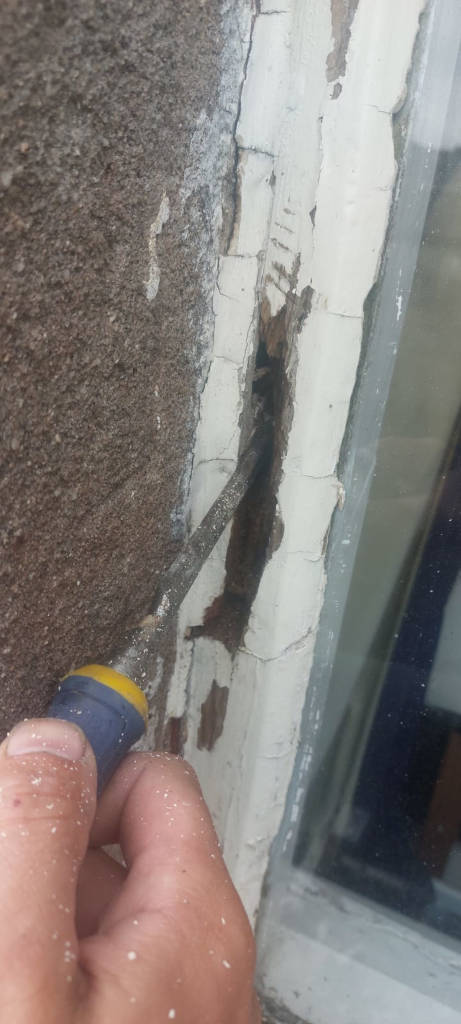
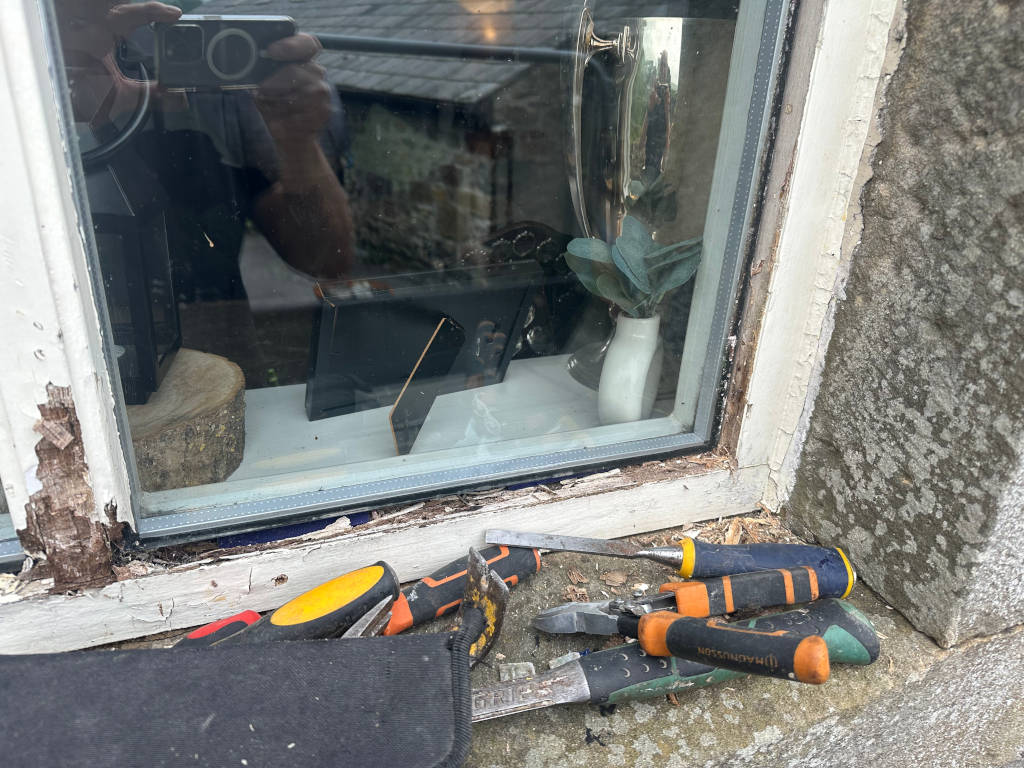
Plastic-based paints form a non-porous film. Modern paints will blister, crack and flake as they have different thermal properties making them inflexible with our historic properties.
Once the paint begins to fail, water can ingress through the openings and become trapped – this moisture then takes the next porous route into masonry or rotting timber. This leads to material decay affecting plasters and renders, accelerating the deterioration of the building fabric. This will become aesthetically notable and excess damp issues can become a health hazard.
VOCs (Volatile Organic Compounds) in paint are chemicals that evaporate as the paint dries, aiding flow and transfer but releasing fumes (off-gassing) that can harm health (headaches, irritation, or worse) and the environment.
Which are the Heritage Building Paints to Use?
We recommend redecorating older buildings with clay (internally) and mineral paints (externally) or lime for either.
Internally, clay paints should be used, or a lime wash. These have high levels of breathability and will work well with the traditional heritage materials. Lime wash can be self-mixed and coloured with natural pigments.
Externally, silicate masonry paints are highly vapour permeable and ideal for lime-based substrates. Again, lime wash can be self-mixed and coloured with natural pigments.
The lime wash could be applied in multiple thick coats to limit the need to address annually, however the lime wash would still act as a weathering coat designed to naturally erode.
In Closing
If you require assistance on a project, we offer paint-removal (including DOFF cleaning) and redecoration services. We also offer comprehensive heritage property restoration services, we’ll be happy to talk through your project needs.