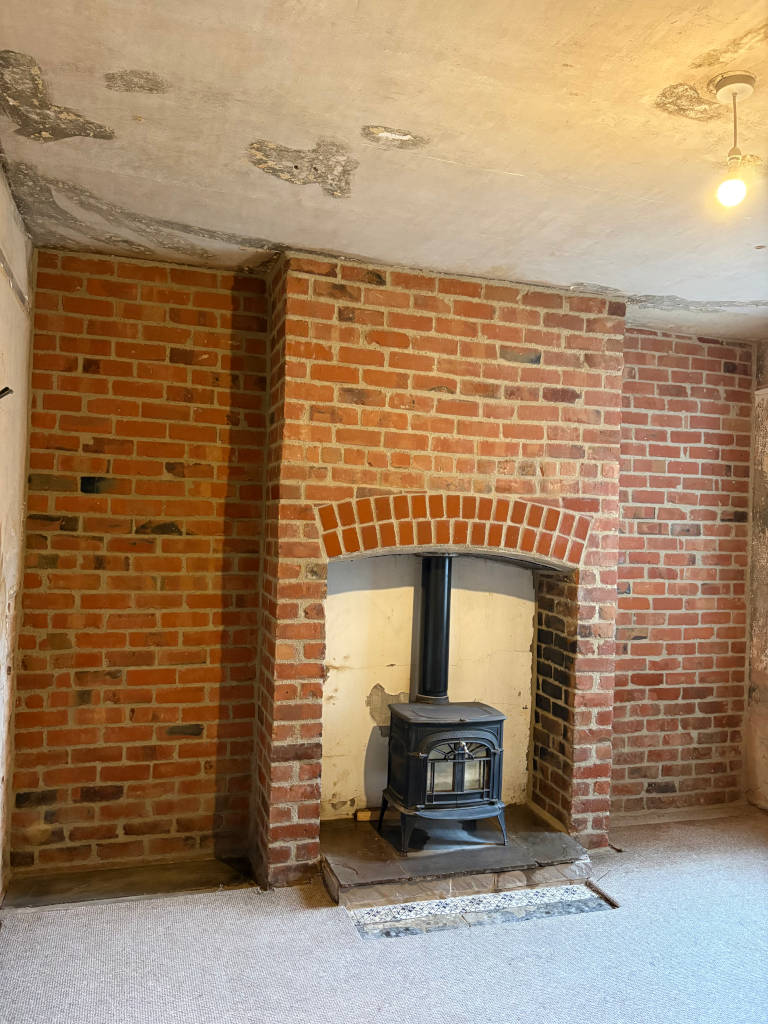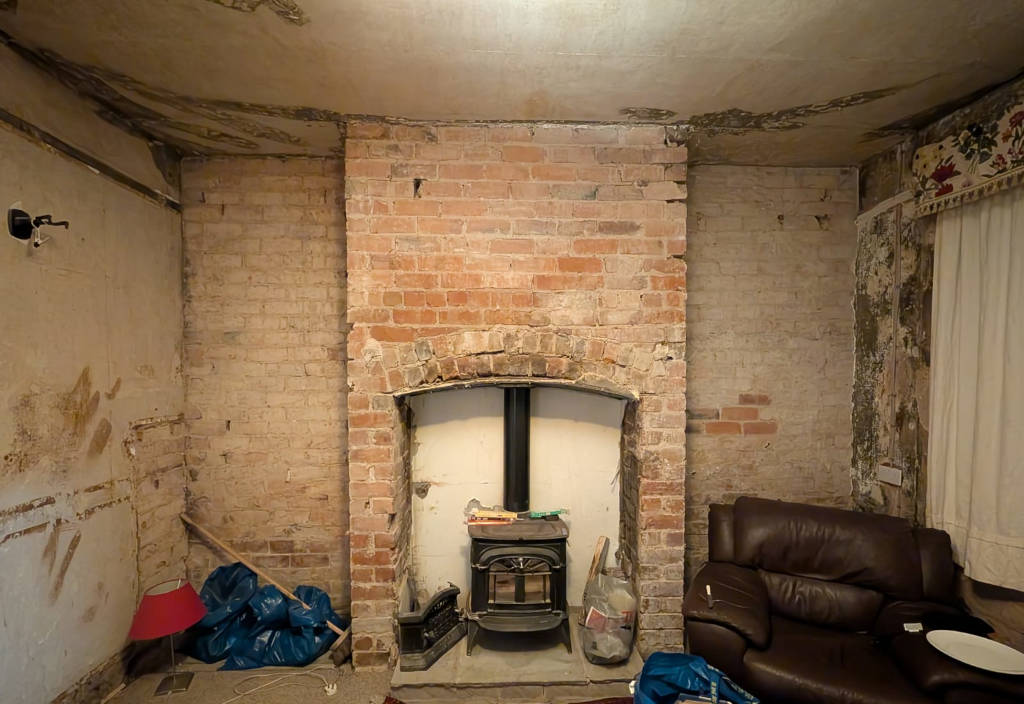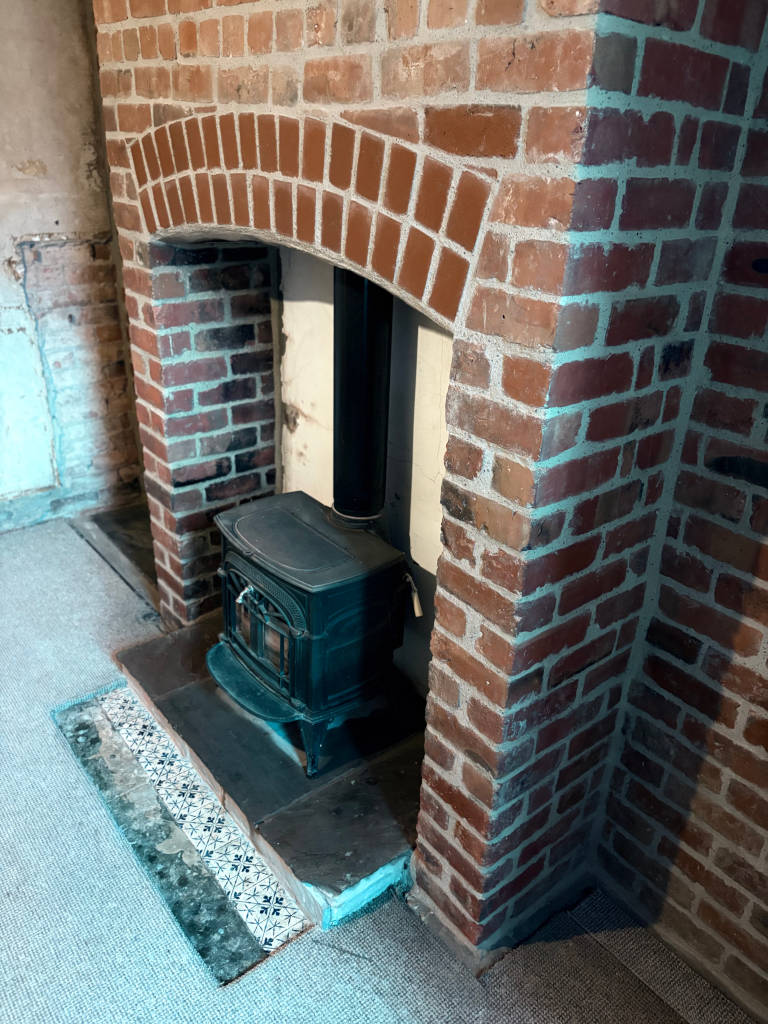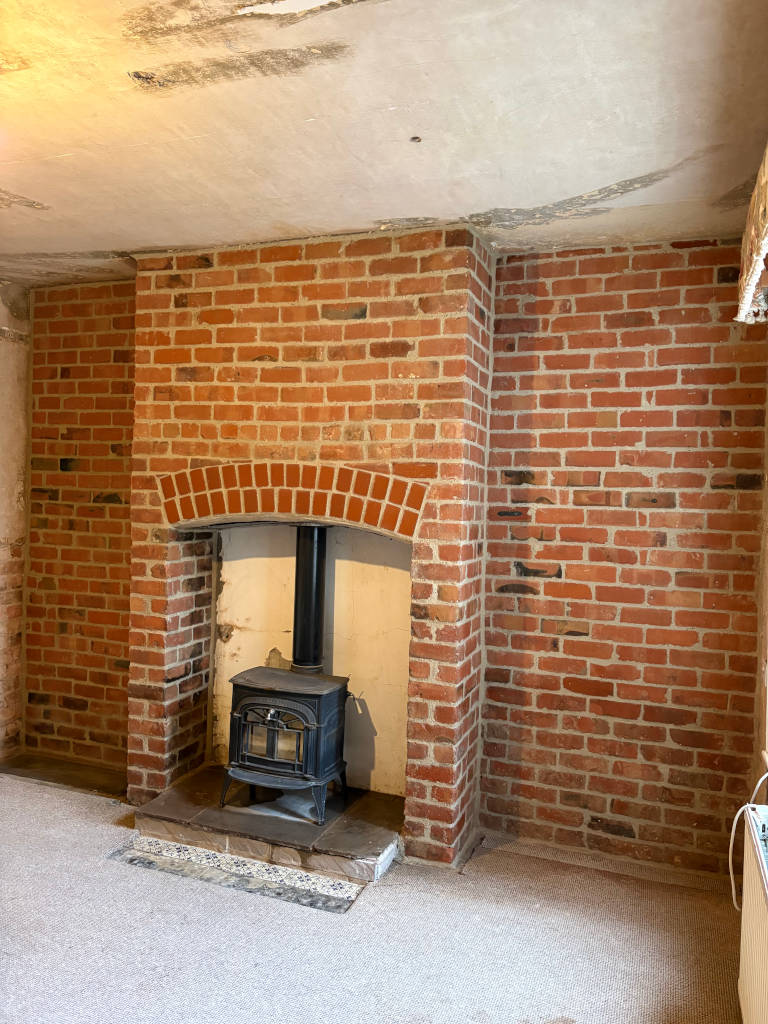
Over the winter period our team undertook the restoration of a historic internal chimney breast brickwork wall. The residential property did have plastered internal walls, though the client carefully stripped away the majority of plaster before contacting us.
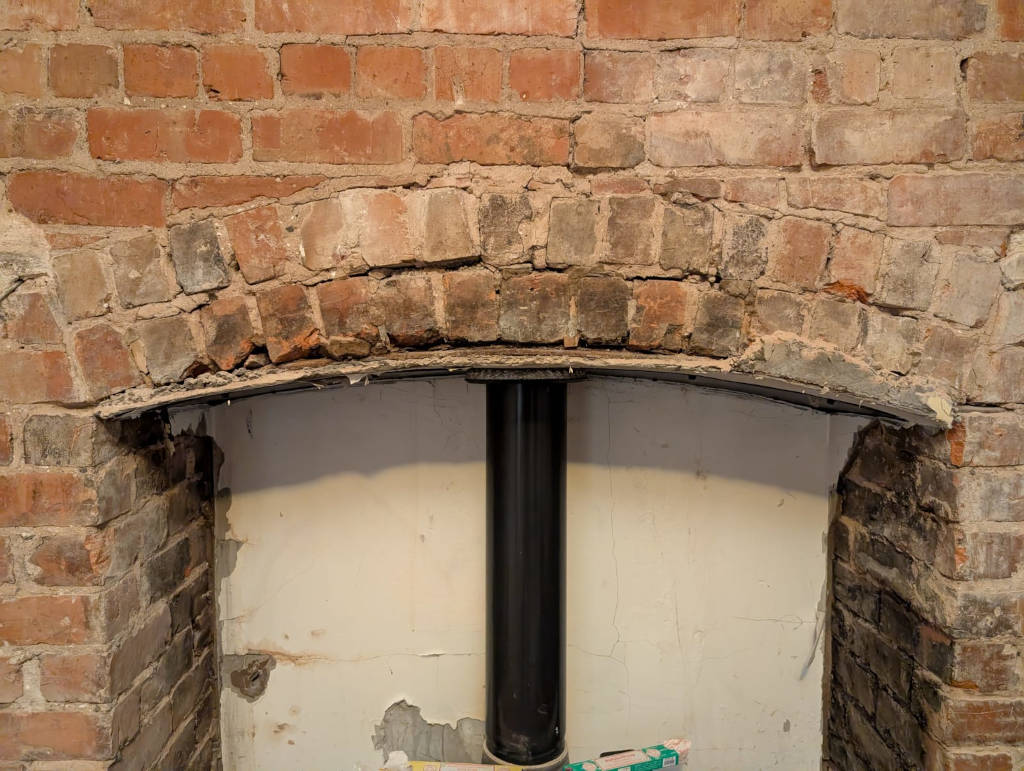
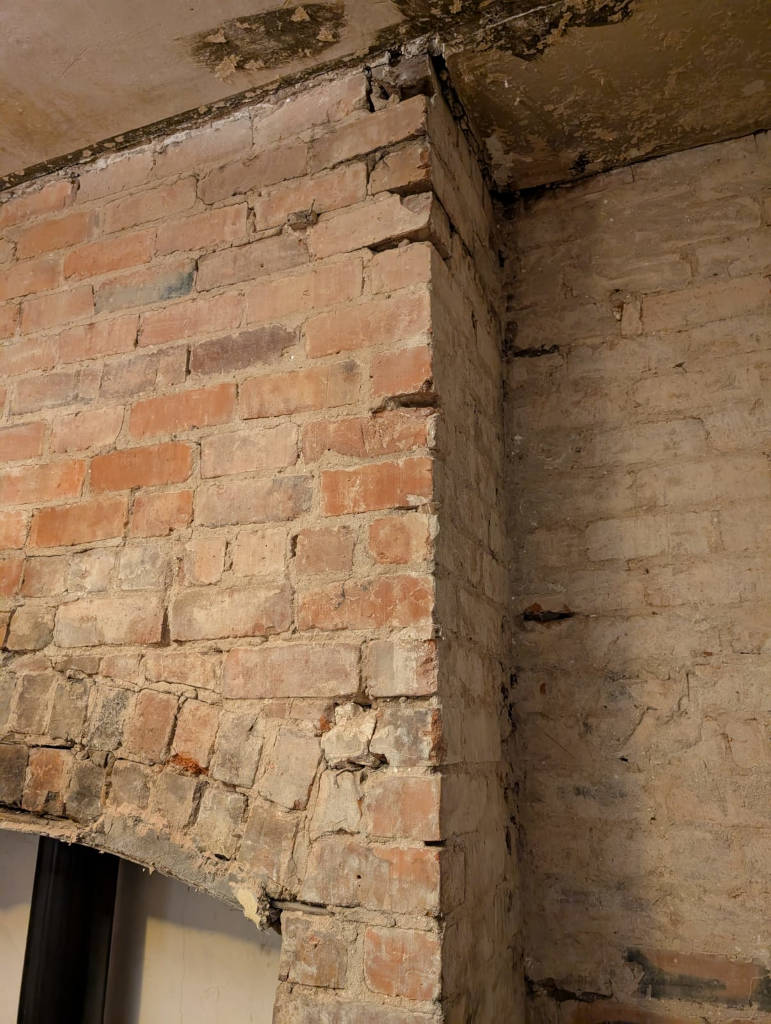
It was clear that the arch was in a poor state; Many brick replacements would be needed to create a desirable feature wall.
Our first actions were to protect the surrounding floors and furniture with drop cloths and dust sheets. We erected propping to support the wall while the arch was rebuilt.
A number of bricks were identified as being cracked or spalled, warranting replacement. These were carefully removed, ensuring that the surrounding brickwork remained intact. Where possible, original bricks were salvaged and reused, with additional bricks being sourced from a reclamation yard.
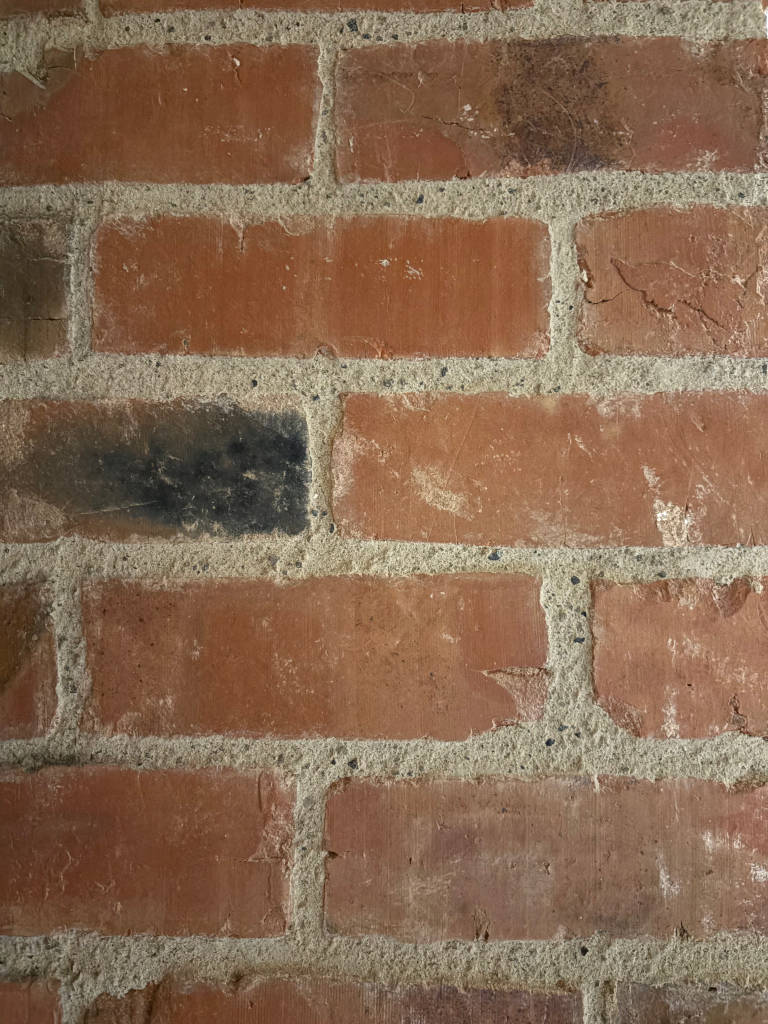
Existing mortar was carefully removed, the joints were then cleaned and prepared for lime mortar application. The lime mortar was mixed on-site. The mortar used consisted of NHL2 (a soft lime ideal for internal works), washed-grit-sand and water. We ensured that the joints were deep-fill-packed around the replaced bricks, to give the same structural integrity as the original build.
The use of lime mortar is critical in heritage properties in order to ensure the building’s long-term durability. Lime is flexible and allows the wall to adjust to temperature and moisture changes without mortar failure.
Once the lime mortar was applied, we maintained it for a few days by keeping it wet-down. This allowed the lime to cure slowly, to prevent failure. Once the limed had cured, we brushed back the oxidised outer layer to reveal the final finish.
Plaster can be extremely difficult to remove and leaves remnants on the face of the brick. As the client had carried out the majority of removal, they asked us to address the remnants and stains of plaster. We cleaned the brickwork down, removing many of the signs that it had ever been plastered.
The restored chimney breast not only enhances the visual appeal of the property but also ensures the wall’s structural integrity. With traditional building techniques, the wall is now well-protected from further degradation, ensuring its longevity for years to come.