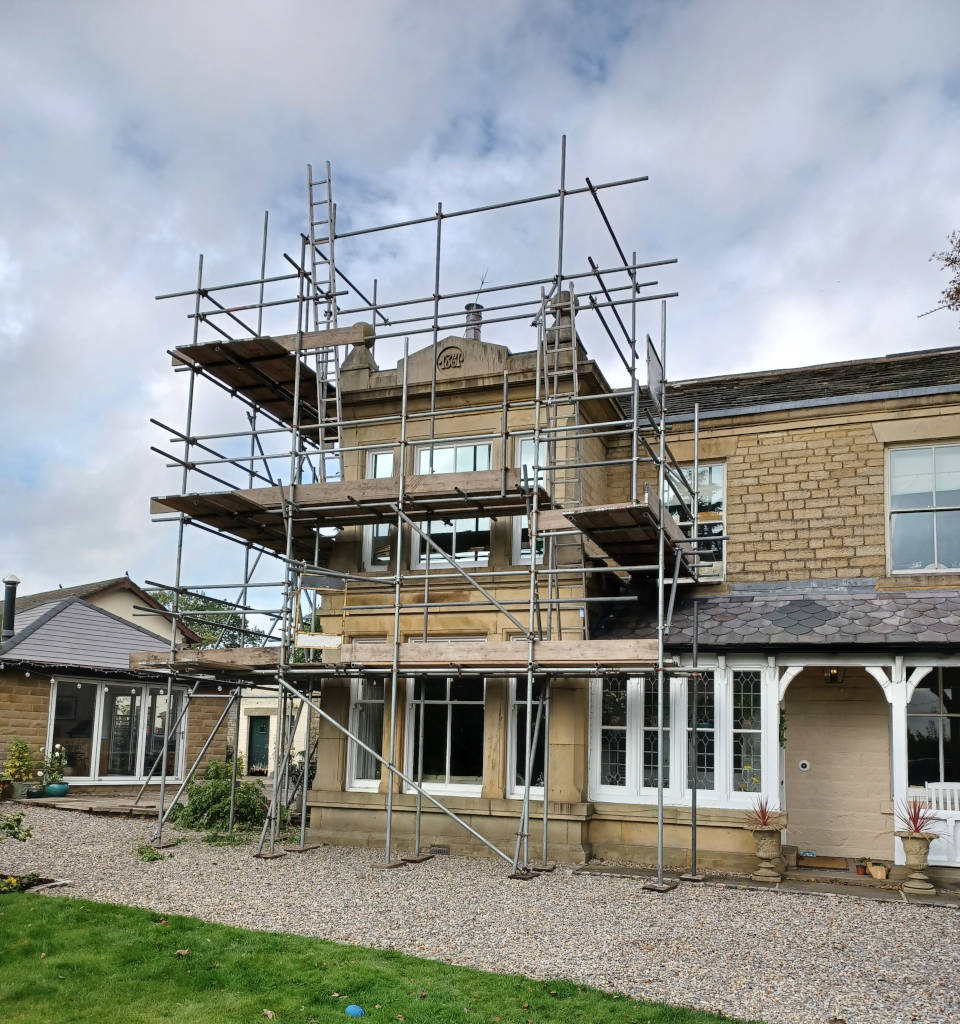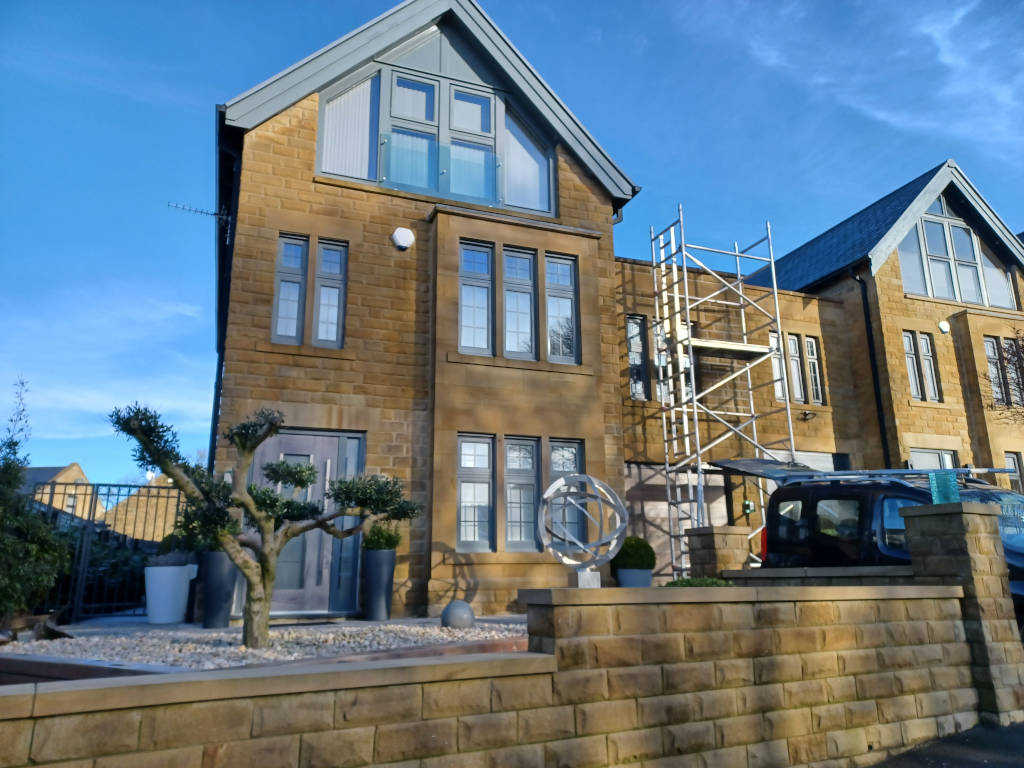
Maintaining a home in England can mean very different things depending on whether you are restoring a heritage or a modern property. While both aim to create comfortable, lasting places to live, the process constraints and priorities differ in important ways.
Planning and Regulations
One of the biggest differences lies in planning control. Heritage houses – especially listed buildings or those in conservation areas – are subject to strict regulations. An alteration often requires listed building consent. Local authorities closely scrutinise materials, layouts, and even minor details. By contrast, modern homes still need building regulations approval, though the rules are generally clearer and more flexible, allowing greater freedom in design and layout.
Design Freedom vs Historical Integrity
With a heritage property the goal is preservation. Design decisions must respect the building’s original character, proportions, and craftsmanship. This can limit options for extensions, window styles, or internal changes. Modern homes offer far more creative freedom: open-plan layouts, large glazing, and bold architectural forms are all easier to achieve without historical constraints.
While modern houses are typically constructed on deep, rigid, and engineered concrete foundations, heritage buildings were often built on shallow, flexible footings designed to move with the ground. This impacts the materials to be used on our old housing stock.
Materials and Construction Methods
Heritage buildings often rely on traditional materials such as lime mortar, solid brick or stone walls, timber frames, Welsh or Yorkstone Slate and handmade tiles. Using inappropriate modern materials can cause long-term damage as they do not offer the same benefits as their heritage counterparts. An example of such is the use of modern paints or waterproof coatings which can act as a non-breathable membrane and trap moisture inside the building fabric.
Modern homes typically use contemporary construction methods – cavity walls, steel or engineered timber, and factory-made components – designed for efficiency, consistency, and speed.
Energy Efficiency and Performance
Modern houses are increasingly designed to be highly airtight to meet energy efficiency standards, notably in sustainable construction methodologies like the Passivhaus (Passive House) standard. This design, while beneficial for energy saving, can create potential challenges regarding indoor air quality if not accompanied by a robust mechanical ventilation system.
Heritage houses were not designed with these principles in mind. Improving their thermal performance is possible, but it must be done carefully to avoid harming the building’s fabric, often resulting in higher costs for smaller gains. Most heritage properties were intended to be draughty to allow a fireplace to draw the cold air through and send its heat throughout the building and walls, wicking moisture away. The porous lime mortar offers flexibility and allows moisture to evaporate through – unlike non-porous cement which traps the moisture within the walls resulting in damp.
Cost, Time, Risk
When restoring or adapting a heritage house, hidden defects can be uncovered from questionable previous works. Such risks can be managed by employing specialist heritage contractors who understand historic building practices and traditional materials.
Modern properties are not exempt from surprising maintenance, as they can suffer from long-term structural issues. These tend to be symptoms of modern construction methods that incentivise speed and cost over quality.
Conclusion
As an owner of a heritage property in the UK, you are a custodian to maintain the building for future generations. Any repairs are to remain sensitive to the original construction method and materials used. Owning a modern home is more focused on energy efficiency and shorter-term needs. Both can produce beautiful results, with both demanding different approaches, mindsets, and expertise.